
Key Takeaways
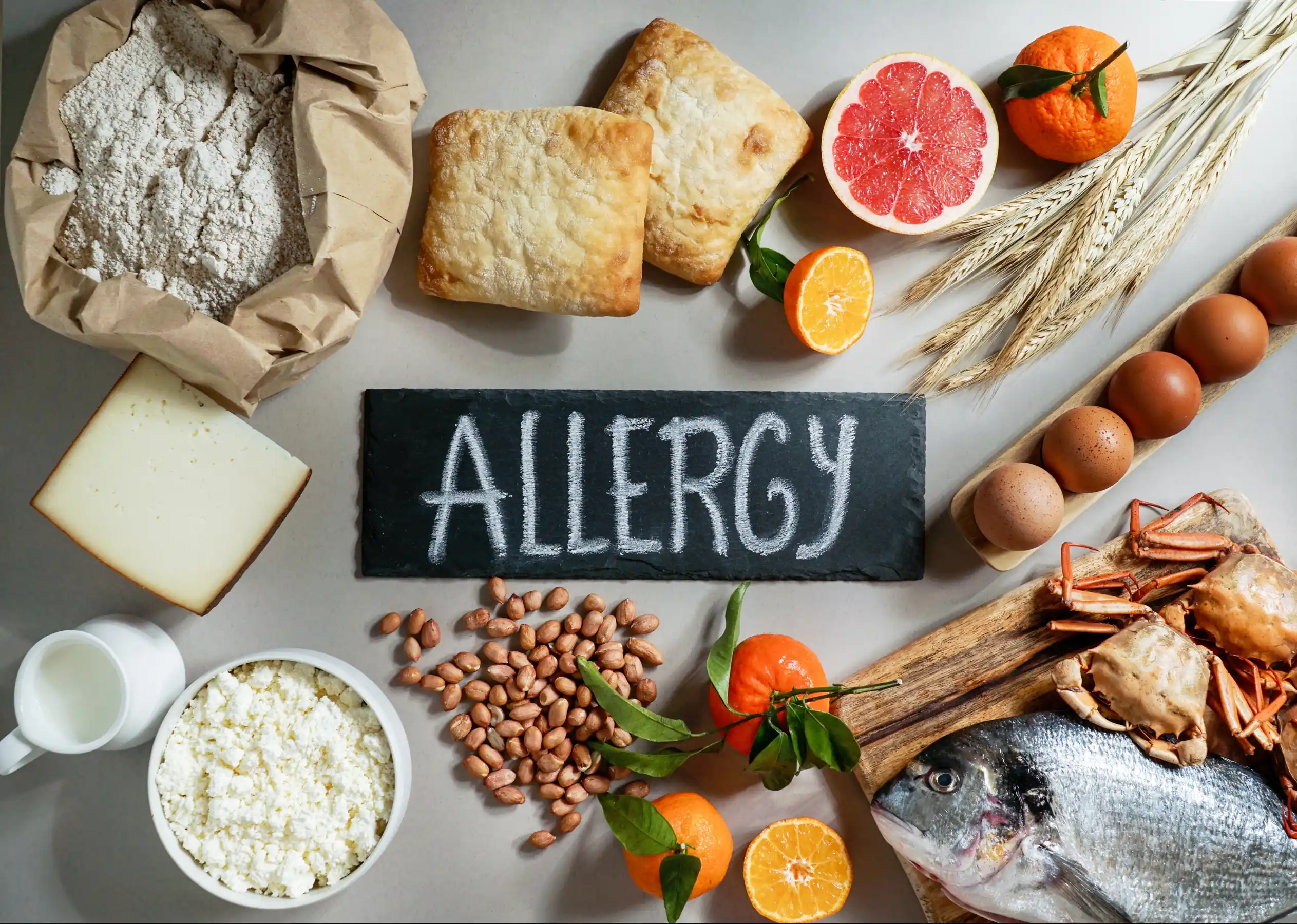
- Most food allergies in children are caused by a short list of foods: milk, eggs, peanuts, tree nuts, soy, wheat, fish, shellfish, and sesame.
- Food allergy symptoms can range from hives and stomach pain to trouble breathing, and they can change from one reaction to the next.
- Early diagnosis helps parents avoid unnecessary food restrictions and prepare for emergencies.
- A written emergency plan helps keep children safe at school, at friends' homes, and during holiday gatherings.
- Central New York Allergy (CNY Allergy) is a trusted pediatric food allergy practice in Liverpool, NY, and you can request a food allergy appointment for your child online.
The Most Common Childhood Food Allergy Triggers
Any food can cause an allergy. But in children, a small group of foods is responsible for most reactions. The U.S. Food and Drug Administration (FDA) recognizes nine major food allergens, and the FDA's food allergy information page explains that food labels must clearly name them.
Here are the nine foods to know:
1. Cow's Milk
Milk allergy is one of the most common allergies in babies and young children. It is different from lactose intolerance, which is a digestion problem, not an immune system reaction.
2. Eggs
Egg allergy is also very common in young kids. The good news is that many children outgrow it.
3. Peanuts
Peanuts are one of the most common causes of severe reactions. Even though peanuts are called nuts, they are actually a type of bean.
4. Tree Nuts
This group includes walnuts, pistachios, pecans, cashews, and almonds. Tree nut allergies are among the least likely to be outgrown.
5. Soy
Soy shows up in many packaged foods, including baked goods, cereals, and snack bars.
6. Wheat
Wheat allergy is an immune reaction to wheat proteins. It is not the same as celiac disease.
7. Fish
Common examples include tuna, salmon, and cod.
8. Shellfish
This includes shrimp, crab, and lobster. Shellfish allergy is less likely to fade over time.
9. Sesame
Sesame became the ninth major food allergen in the U.S. The FDA notes that all major allergen labeling rules have applied to sesame since January 1, 2023.
| Allergen | Often Found In | Commonly Outgrown? |
|---|---|---|
| Milk | Cheese, yogurt, butter, baked goods | Often by age 5 |
| Egg | Baked goods, pasta, breaded foods | Often by age 5 |
| Peanut | Peanut butter, candy, some sauces | Only 20% to 25% of children |
| Tree nuts | Pesto, granola, desserts | About 10% of children |
| Soy | Snack bars, cereals, sauces | Often by age 5 |
| Wheat | Bread, crackers, pasta | Often by age 5 |
| Fish | Fish sticks, sauces, some dressings | Ask your allergist |
| Shellfish | Seafood dishes | Less likely |
| Sesame | Hummus, tahini, some breads | Ask your allergist |
Outgrowing data from the American Academy of Pediatrics' guide to food allergies in children.
How Food Allergy Symptoms Can Vary From Mild to Severe
Food allergy symptoms usually show up within minutes to a few hours after eating. Every child reacts differently. The American Academy of Pediatrics groups symptoms into four main areas:
- Skin: Hives, itchy rashes, or swelling
- Breathing: Sneezing, wheezing, coughing, throat tightness, or a stuffy or runny nose
- Stomach: Nausea, vomiting, diarrhea, cramps, or trouble swallowing
- Circulation: Pale skin, light-headedness, chest pain, feeling faint, or passing out
Signs to Watch for in Babies
Babies can't tell you how they feel. The American Academy of Pediatrics says signs in infants may include eye rubbing, sticking the tongue out again and again, extra crying, arching the back, and floppy muscles.
When a Reaction Is an Emergency?
Anaphylaxis is a severe, whole-body allergic reaction that can be life-threatening. If your child has trouble breathing, throat tightness, or several symptoms at once, give epinephrine right away if it has been prescribed, then call 911.
Why Early Diagnosis Matters for Growing Children
Some parents remove foods from their child's diet just to be safe. But cutting out foods without a diagnosis can limit nutrition during important growing years. It can also cause stress at mealtimes.
An accurate diagnosis helps you:
- Know exactly which foods to avoid and which are safe
- Avoid cutting out healthy foods for no reason
- Get the right emergency medicine prescribed
- Track whether an allergy may be fading over time
What Does Food Allergy Testing Look Like for Kids?
At CNY Allergy, pediatric food allergy testing is designed to be safe and comfortable for children of all ages, including infants. Here is what parents can expect:
Step 1: Talk Through Your Child's History
The provider will ask what your child ate, how soon symptoms started, and what the reaction looked like. Keeping a food diary for a week or two before the visit can help.
Step 2: Testing
Depending on your child's history, testing may include:
- Skin prick test: A tiny amount of a food allergen is placed on the skin to check for a reaction.
- Blood test: This measures immunoglobulin E (IgE), the allergy antibodies made by the immune system.
- Oral food challenge: In some cases, a child eats small, increasing amounts of a food under close medical supervision to confirm a diagnosis.
Step 3: A Clear Plan
Once results are in, the team explains them, confirms the diagnosis, and builds a personalized plan. You can learn more on the CNY Allergy What to Expect page.
Building a Food Allergy Safety Plan for School and Home
Once you know your child's triggers, a safety plan helps everyone who cares for them know what to do.
At School
- Use a written emergency plan. The Food Allergy & Anaphylaxis Emergency Care Plan from FARE (Food Allergy Research & Education) lists your child's allergens, symptoms, and treatment steps. It is signed by a physician and includes emergency contacts.
- Share it widely. Give copies to teachers, the school nurse, coaches, and after-school staff.
- Keep epinephrine close. The American Academy of Pediatrics advises that anyone who has had a food allergy reaction should have at least two doses of epinephrine available at all times.
At Home
- Read every label, every time. Ingredients can change. Watch for terms like 'natural flavors' or 'spices,' which may hide allergens.
- Prevent cross-contact. Use clean utensils, plates, and pans, and store safe foods away from unsafe foods.
- Plan for holidays and parties. Talk with hosts about ingredients, and bring a safe dish your child can enjoy.
Get Clear Answers About Your Child's Food Allergies at CNY Allergy
Milk, eggs, peanuts, tree nuts, soy, wheat, fish, shellfish, and sesame cause most food allergies in kids, and symptoms can range from mild to life-threatening. CNY Allergy helps Central New York families confirm a diagnosis and build a plan that keeps children safe.
Protect your child with an expert diagnosis. Request a pediatric food allergy appointment at CNY Allergy and learn more about food allergy testing and treatment at CNY Allergy.
Frequently Asked Questions
What are the most common food allergies in children?
The most common food allergies in children are milk, eggs, peanuts, tree nuts, soy, wheat, fish, shellfish, and sesame. Milk, egg, and peanut allergies are especially common in young kids.
What are the first food allergy symptoms to watch for?
Early signs often include hives, itchy skin, swelling of the lips or face, vomiting, or stomach pain. Trouble breathing, wheezing, or feeling faint are signs of a serious reaction that needs emergency care.
Is food allergy testing for kids safe?
Yes. Skin prick tests and blood tests are routine and safe for children, including infants. Oral food challenges are done only under close medical supervision with emergency care ready.
When should I see a pediatric food allergy doctor?
Talk to a food allergy doctor if your child has had any reaction after eating, has eczema that won't clear up, or if you are unsure which foods are safe. A rash like hives or eczema can sometimes be a sign of a food allergy.
Is there a food allergy doctor near me in the Syracuse area?
Yes. CNY Allergy's office in Liverpool, NY, serves families throughout the Syracuse area, with immediate availability and later appointment hours. Most insurance plans do not require a referral.
