
Key Takeaways
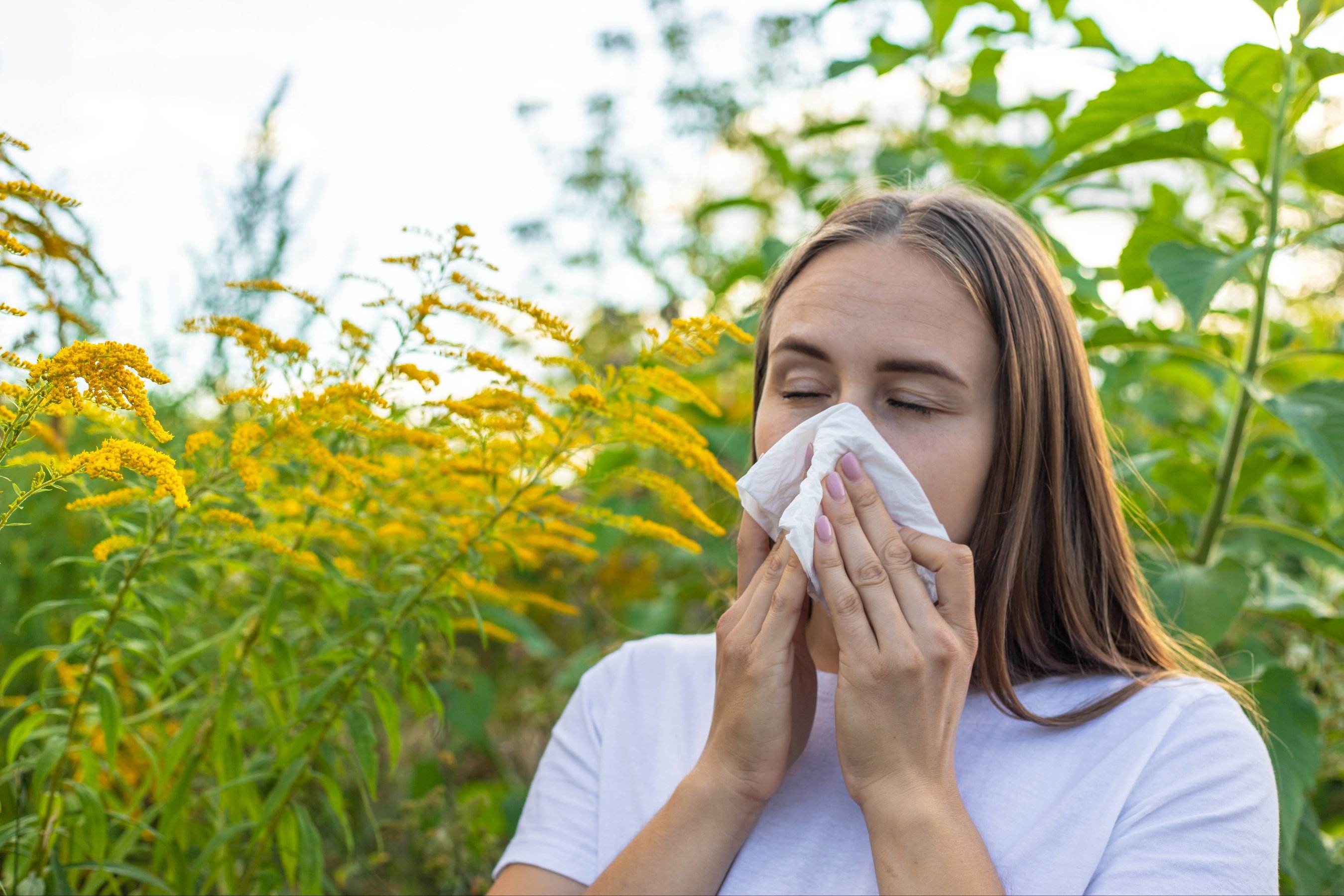
- Ragweed pollen is the most common cause of fall allergies, and it can travel hundreds of miles, which is why it affects Central New York even where ragweed itself is not common.
- Damp, fallen leaves create ideal conditions for outdoor mold spores, adding a second major trigger to the fall allergy season.
- Fall allergy symptoms often overlap with cold symptoms, which can make it harder to know what you are dealing with.
- Allergy testing can pinpoint your specific fall triggers so your treatment plan targets the right cause instead of just the symptoms.
- CNY Allergy offers allergy testing and personalized treatment plans from its Liverpool, NY office, and Central New York residents can request an appointment to start feeling better this season.
Why Ragweed Pollen Peaks in the Fall in Central New York?
Ragweed is considered the most common trigger of fall allergies. According to Mayo Clinic, ragweed pollen season typically starts in August and can last into October, and even in areas where ragweed itself is not widespread, its pollen can travel hundreds of miles on the wind, which means residents throughout the Central New York region can be affected regardless of what grows in their own backyard.
As fall temperatures stay warmer for longer, ragweed has more time to release pollen before the first hard frost, which can extend the season further than many people expect. A single ragweed plant can release up to a billion pollen grains in one season, and according to Cleveland Clinic, roughly 1 in 5 people in the United States react in some way when ragweed pollen levels are high.
How Fallen Leaves and Damp Weather Increase Mold Exposure?
Ragweed is not the only trigger working against Central New York allergy sufferers each fall. Outdoor mold thrives in damp, cool conditions, and piles of decaying leaves create an ideal environment for mold spores to grow and spread. As temperatures drop and families spend more time indoors, exposure to indoor allergens like dust mites can compound the problem as well.
Common Fall Allergy Triggers in Central New York
| Trigger | Where It Comes From | Typical Peak Timing |
|---|---|---|
| Ragweed pollen | Outdoor plants, can travel long distances on wind | Mid-August through October |
| Mold spores | Damp leaf piles, decaying plant matter | Peaks alongside wet, cool fall weather |
| Dust mites | Indoor environments, more exposure as heating systems run | Increases as families move indoors |
Common Fall Allergy Symptoms
Fall allergy symptoms can look a lot like a cold, which is part of what makes this season confusing. According to Mayo Clinic, common symptoms include a runny or stuffy nose, watery and itchy eyes, sneezing, coughing, and fatigue from disrupted sleep. Unlike a cold, allergy symptoms tend to hang on or worsen for as long as you are exposed to the allergen, rather than clearing up within a week or two.
How Allergy Testing Identifies Your Specific Fall Triggers
Since ragweed, mold, and dust mites can all cause similar symptoms, it is not always obvious which one (or which combination) is behind your fall allergies. A skin prick test, offered at CNY Allergy, applies a small amount of various allergens to the skin and typically produces results within 15 to 20 minutes. Blood testing is also available when needed. Identifying your exact triggers is the foundation for building a treatment plan that actually addresses the cause of your symptoms rather than just managing them as they come.
Treatment Options for Managing Fall Allergy Season
Once your triggers are identified, treatment can be tailored to your specific needs. Options include:
- Allergen avoidance strategies, such as keeping windows closed during high pollen days and checking local pollen counts before spending time outside.
- Antihistamines and nasal steroid sprays, which can help manage day-to-day symptoms.
- Immunotherapy, in the form of allergy shots or sublingual tablets, which helps the body build tolerance to specific allergens over time for longer-lasting relief.
CNY Allergy's team builds each allergy treatment plan around the patient's specific test results, lifestyle, and symptom severity, rather than a one-size-fits-all approach.
Frequently Asked Questions
How long does fall allergy season last in Central New York?
Ragweed pollen season generally runs from mid-August through October, though warmer fall temperatures can extend it. Mold allergy symptoms can continue as long as damp, decaying leaves are present outdoors.
Can I be allergic to mold but not ragweed, or both?
Yes. It is common to react to more than one fall allergen at once, which is why allergy testing is useful for identifying your full trigger profile rather than assuming a single cause.
Is it possible to develop new allergies as an adult?
Yes. Allergies can develop at any age, even to substances you were not previously sensitive to, which is why new or worsening fall symptoms are worth evaluating rather than dismissing.
What is an allergist near me able to do that over-the-counter medication cannot?
An allergist can test to confirm your specific triggers and offer options like immunotherapy that work toward longer-term relief, rather than only managing symptoms as they occur.
When should I see an allergist for fall allergy symptoms?
If over-the-counter medications are not providing enough relief, or if your symptoms are affecting sleep, work, or daily activities, it is a good time to schedule an evaluation with an allergist.
